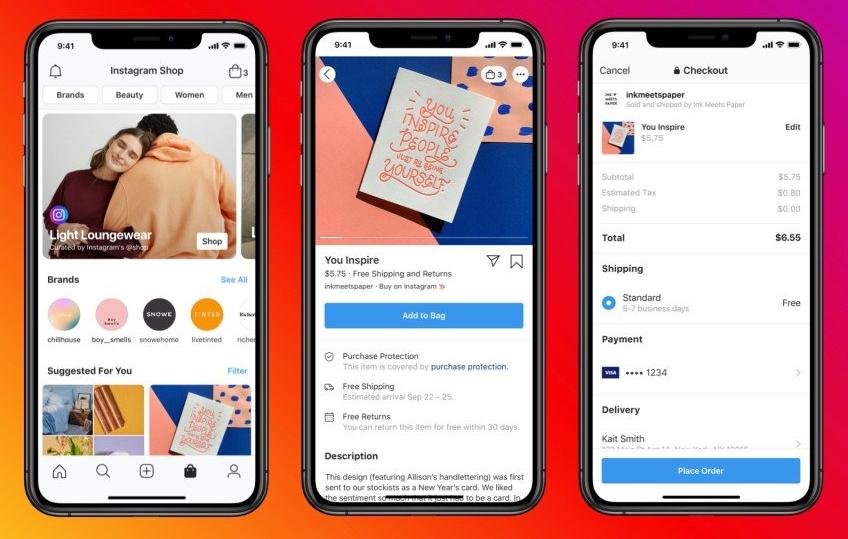
Instagram Marketing for E-commerce: Grow Your Brand
- By Admin
- |
- 0 Comments
Introduction
Imagine discovering a product while scrolling through Instagram, seeing how it works in a Reel, checking customer reviews in the comments, and purchasing it within minutes.
That is the power of Instagram marketing for e-commerce.
Instagram is no longer just a platform for sharing photos. For e-commerce brands, it has become a powerful space to showcase products, build trust, connect with customers, and drive conversions.
The key is not simply getting more followers—it is turning attention into meaningful customer action.
Why Instagram Marketing Matters for E-commerce
E-commerce is highly visual, and Instagram is built around visual content. A strong Instagram presence can help brands:
- Increase brand awareness
- Showcase products creatively
- Build customer trust
- Generate website traffic
- Encourage product discovery
- Increase sales and conversions
- Create long-term customer relationships
The goal: Don't just make people see your product. Give them a reason to want it.
7 Instagram Marketing Strategies for E-commerce
1. Build a Strong Brand Profile
Your Instagram profile is often the first interaction a potential customer has with your brand.
Use a clear profile picture, memorable bio, relevant keywords, and a direct link to your website or product page.
Tip: Your profile should answer three questions quickly:
Who are you? What do you sell? Why should I choose you?
2. Turn Products Into Stories
Instead of simply posting product photos, show your products in real-life situations.
For example:
Basic: “New handbag available.”
Better: “One handbag. Three looks. Which one would you wear?”
Lifestyle content helps customers imagine themselves using the product.
3. Use Reels to Reach New Audiences
Reels are excellent for grabbing attention and introducing products to people who don't follow your brand yet.
Try creating:
- Product demonstrations
- Before-and-after videos
- How-to videos
- Unboxing videos
- Customer reviews
- Behind-the-scenes content
- Trending but relevant formats
Remember: The first few seconds should make people want to keep watching.
4. Use Stories to Create Interaction
Instagram Stories can make your brand feel more personal.
Use polls, questions, quizzes, product teasers, offers, and customer feedback to encourage interaction.
For example:
“Which colour should we launch next?”
This turns passive followers into active participants.
5. Use User-Generated Content
Customers trust other customers.
Encourage buyers to share photos or videos using your products and feature their content on your Instagram page.
This provides social proof and can make potential customers feel more confident about purchasing.
6. Collaborate With Relevant Influencers
You don't always need a celebrity influencer.
Micro-influencers with a relevant and engaged audience can be valuable for e-commerce brands.
Choose influencers based on audience relevance and engagement, not just follower count.
7. Turn Engagement Into Conversions
Every piece of content should have a purpose.
Use clear calls-to-action such as:
“Shop Now”
“Explore the Collection”
“Visit Our Website”
“DM Us to Know More”
A simple CTA can guide a customer from interest to action.
The Instagram E-commerce Funnel
Think of Instagram marketing as a customer journey:
REACH → ENGAGE → DISCOVER → TRUST → VISIT → PURCHASE → REPEAT
For example:
Reel → Customer discovers your brand
↓
Story/Carousel → Customer explores the product
↓
Reviews/UGC → Customer develops trust
↓
CTA → Customer visits website
↓
Product Page → Customer purchases
This is where Instagram marketing for e-commerce becomes more than just social media posting—it becomes a conversion strategy.
What Should You Measure?
Posting consistently is not enough. Track your performance using metrics such as:
- Reach – How many people saw your content?
- Engagement Rate – How actively did people interact?
- Profile Visits – Did content create interest?
- Website Clicks – Did users move toward purchase?
- Conversions – How many completed a desired action?
- ROAS – How effectively did paid advertising generate revenue?
Use these insights to understand what your audience actually responds to.
Common Mistakes to Avoid
Avoid:
- Posting only promotional content
- Ignoring comments and messages
- Using irrelevant hashtags
- Focusing only on follower count
- Posting without a clear objective
- Using poor-quality visuals
- Forgetting to include a CTA
Instead, focus on value, consistency, authenticity, and customer experience.
Final Takeaway
Successful Instagram marketing for e-commerce is not about posting every day and hoping for sales.
It is about creating content that captures attention, builds trust, communicates value, and makes taking action easy.
When your Instagram strategy connects great visuals with the right audience, compelling content, and clear calls-to-action, followers can become customers—and customers can become loyal brand advocates.
Start with one question:
“If I were the customer, would this post make me stop, trust, and take action?”
If the answer is yes, you're moving in the right direction.
- Digital marketing
- Instagram Marketing for E-commerce , Instagram marketing strategy, e-commerce marketing, Instagram for e-commerce brands, Instagram marketing for online stores, Instagram sales strategy